Dementia rarely changes things overnight. It's a slow drift — a missed pill here, a scorched pot there — until one day you realize your mom or dad isn't quite safe on their own anymore. The hard part is knowing when that day has arrived. Here are ten signs Alberta families tell us they wish they'd acted on sooner.
Why the timing is so hard
Most adult children don't miss the signs because they aren't paying attention. They miss them because the changes are gradual, because a parent covers for themselves, and because nobody wants to be the one to say "you can't manage alone." If you've been quietly worrying, that worry is data. The list below is a way to turn it into something you can act on.
One sign on its own is rarely the whole story. A single missed appointment isn't a crisis. But when you notice several of these together — or one serious safety issue like a stove left on — it's time to bring in support.
The 10 signs
- Getting lost or disoriented in familiar placesForgetting the way home from the corner store, confusion about what day or season it is, or turning up somewhere with no memory of how they got there. Wandering is one of the clearest signals that unsupervised time has become risky.
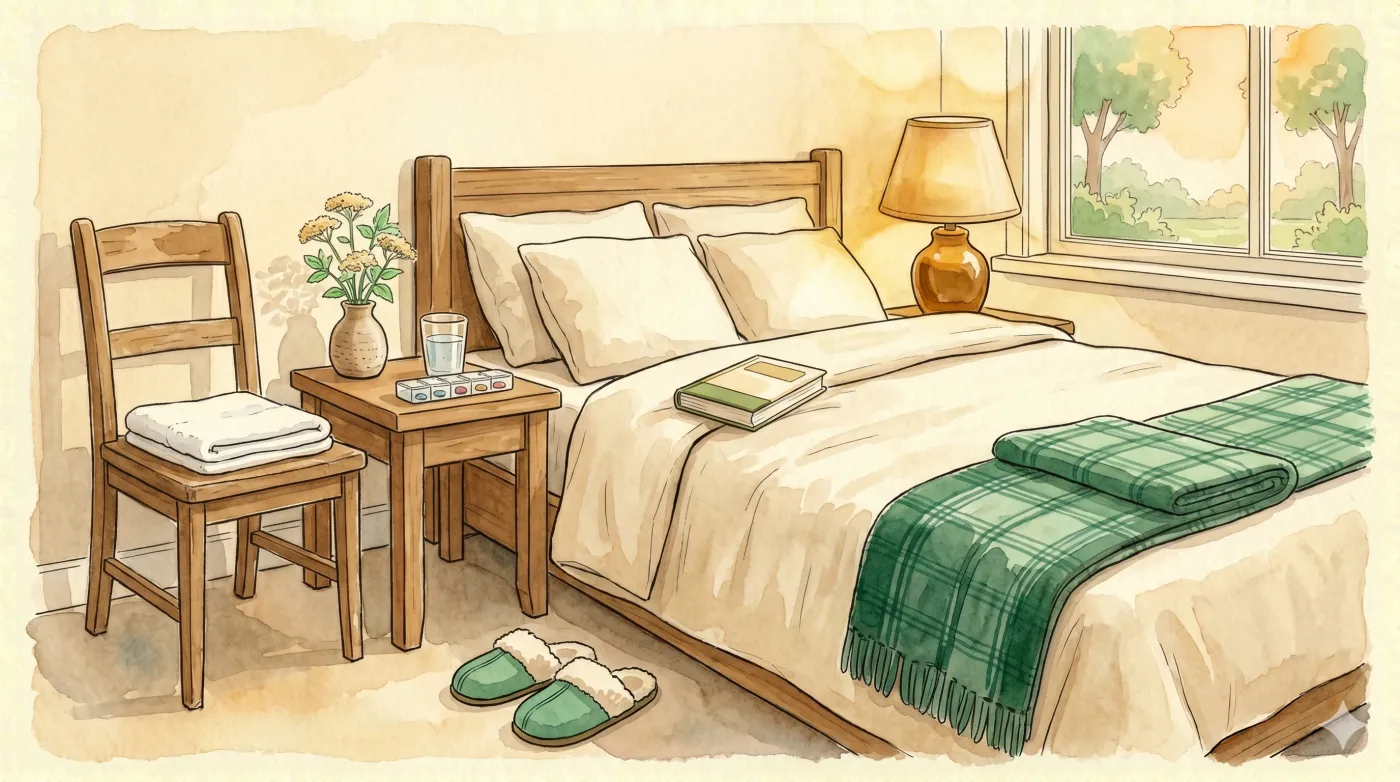
- Medication mistakesPills missed, doubled, or taken at the wrong time. Check the dosette: full compartments on days that have passed, or empty ones too early, both point to a problem that can quickly become dangerous.
- Weight loss or spoiled foodSkipping meals, forgetting they've eaten (or that they haven't), expired food in the fridge, or the same uneaten leftovers sitting for days. Unexplained weight loss often traces back to a kitchen that's no longer being managed.
- Kitchen and fire safety lapsesA scorched pot, a burner or oven left on, the smell of gas, or scorch marks they can't explain. This is the sign that most often turns "we should look into help" into "we need help now."
- Falls, bruises, or unsteadinessNew bruises they can't account for, gripping furniture to move around, or a fall they downplayed. Falls are a leading cause of hospital stays for seniors — and dementia roughly doubles the risk.
- Decline in hygiene and groomingWearing the same clothes for days, skipping baths, a noticeable change in body odour, or an unkempt appearance in someone who was always tidy. Personal care is often the first thing to slip.
- Evening confusion (sundowning)Increased agitation, restlessness, or disorientation in the late afternoon and evening. Sundowning makes the overnight hours especially unsafe for someone living alone.
- Withdrawal and neglected responsibilitiesMissed appointments, unopened mail, unpaid bills, a stack of repeat phone messages, or pulling away from friends and activities they used to enjoy.
- Vulnerability to scamsFalling for phone or door-to-door scams, giving money away, or sudden unexplained withdrawals. Impaired judgment makes seniors with dementia a frequent target.
- Repeating, confabulating, or covering upAsking the same question minutes apart, inventing plausible explanations to fill memory gaps, or insisting "everything's fine" in a way that doesn't match what you're seeing.
What to do when the signs add up
Noticing the signs is the hard part. The next steps are more straightforward than most families expect:
- Talk to their doctor. A medical assessment can rule out reversible causes (infections, medication side effects, dehydration) that sometimes mimic or worsen dementia.
- Request a home care assessment from AHS. Call 811 (or your zone's home care line). An Alberta Health Services case manager will assess needs at home — and many families qualify for funded care through CDHCI.
- Start with a few hours, not a big leap. Care doesn't have to mean a facility. Many families begin with companion visits, medication reminders, and a regular safety check, then scale up only as needs grow.
And don't discount your own exhaustion. If keeping a parent safe has taken over your life, that alone is reason enough to bring in help — caring for them shouldn't mean burning out yourself.
How #1 Right Care helps with dementia. Our caregivers are trained in redirection, validation, and building calm, familiar routines — the approaches that keep someone with dementia settled and safe at home. We hand-match by personality and need, and we'll match you with a caregiver who speaks your parent's language, because for someone living with memory loss, a familiar language is a familiar comfort.
Worried about a parent?
Talk it through with us — no pressure, no obligation. We'll help you understand the options, including any funding you may qualify for.
This article is general information for Alberta families, not medical advice. If you're concerned about a sudden change in someone's condition, contact their doctor or call Health Link at 811. In an emergency, call 911. #1 Right Care provides dementia and memory care across Calgary, Edmonton, Red Deer, and Lethbridge.